Why Manufacture With 3D Printing? 5 Questions to Ask First
Sep 26, 2026

“A technology (3D printing) once seen as only suitable for prototyping is dealing with these challenges head-on and leading to evolutions in product designs and manufacturing that simply are not possible with traditional techniques.”
- Frédéric Verlon, EOS
The digital transformation wave has swept through manufacturing. From 3D printing car parts to creating living tissues, 3D printers are doing it all, and more companies are bringing them into their production space every year.
Despite that, there is a significant learning curve before anyone deploys 3D printers on a production line. Here are the five questions worth answering first.
- Is 3D printing the right choice, and what do you gain from it?
- What materials can you 3D print with?
- Which printer works best for your final product?
- How do you plan and design before printing?
- Do you need to prototype?
1. Is 3D printing the right choice? The advantages of 3D printing
It is important to evaluate production cost fairly before switching from a traditional process. Injection moulding, for instance, is highly effective at churning out thousands or millions of identical pieces in a single production cycle. Where mass production of identical parts is the requirement, an existing injection moulding setup is hard to beat. But where products need customising to a client's requirement, 3D printing becomes far more viable.
Compared with CNC machining or injection moulding, 3D printing has the upper hand in several specific ways.
Speed. The process becomes agile and dynamic, and cost-effective prototypes are a major boost in the design phase. Design engineers can test ideas and implement them as functional prototypes. No moulds or fixtures are needed, which saves both time and cost, and modifications can be implemented immediately, giving a much shorter lead time than traditional methods.
Flexibility. Whether in design or choice of materials, 3D printing accommodates customer requests readily. It fits naturally into digital manufacturing, enabling customer-centric services like print on demand, remote printing and quick digital fabrication estimates.
Quality. Printed output sits in the middle of the quality spectrum between casting and precision machining. But set the fabrication time of a new product against the quality it delivers and 3D printing is well ahead, and because changes are incorporated digitally, quality improvements happen quickly.
Consistency. Printing is automated. Once settings are fixed for a product, it is easy to replicate accurately, and errors are easy to catch and eliminate.
Accessibility. The printer market has grown rapidly and costs have come down. There are now machines for hobbyists and machines for aerospace manufacturers.
Sustainability. Waste generation per part is minimal compared with subtractive processes, since the machine only deposits what the part needs.
“The most important one for me is that no complex mould construction is necessary for production. This is primarily an economic advantage. In the past, I always had to incur large financial expenses for the production of models and moulds, but this is completely eliminated by using additive manufacturing.”
- Philipp Aduatz, product designer
3D printing is constantly evolving and solving manufacturing problems across aerospace, drones, agriculture, construction and more. So the shift to a digital process can be a step in the right direction.
2. 3D printing materials: what can you print with?
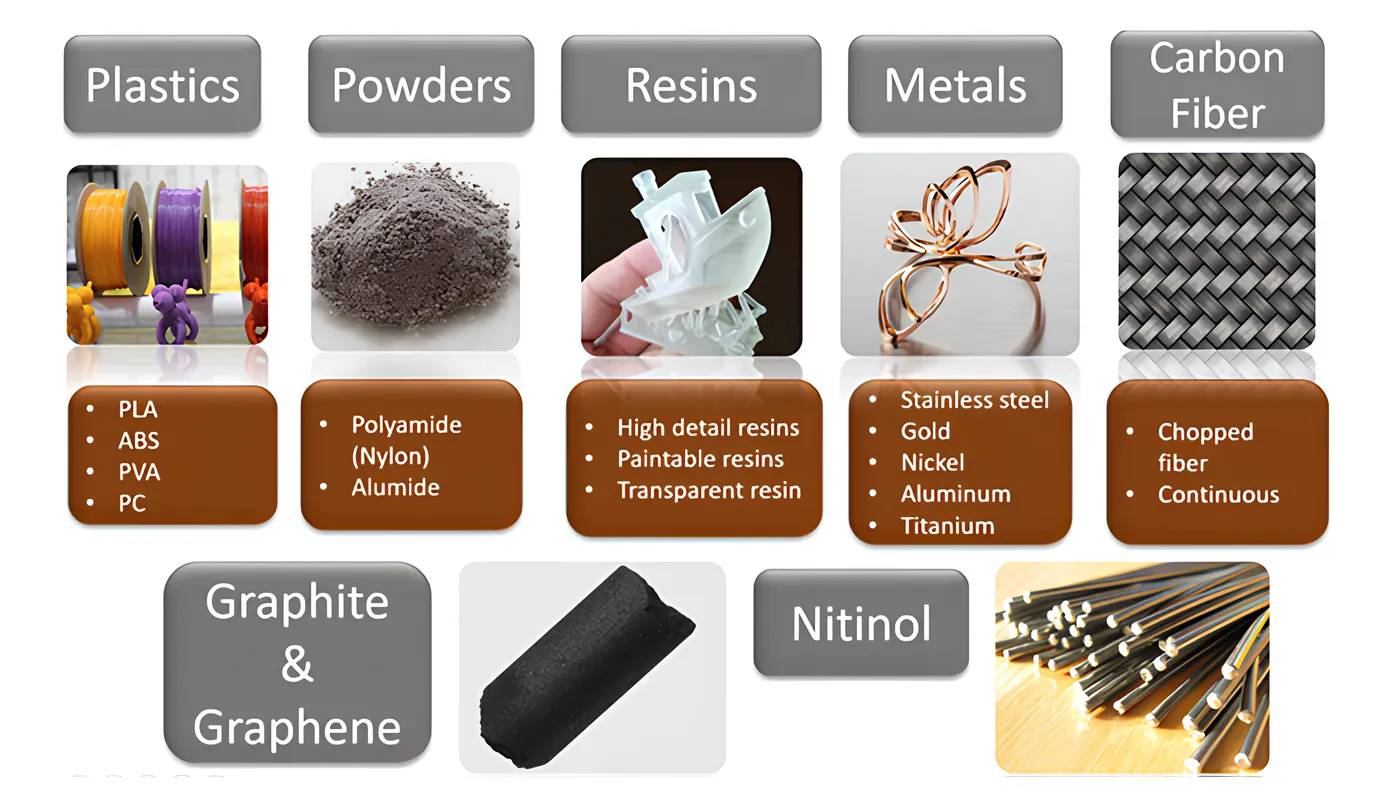
Plastics remain the most common material. A plastic filament is pushed through the printer, which melts it and forms a layer: easy, inexpensive and fast. Advances since then brought metals and alloys, and composite materials are now common too. Fabheads is among the leading manufacturers in India with its in-house continuous fiber 3D printer.
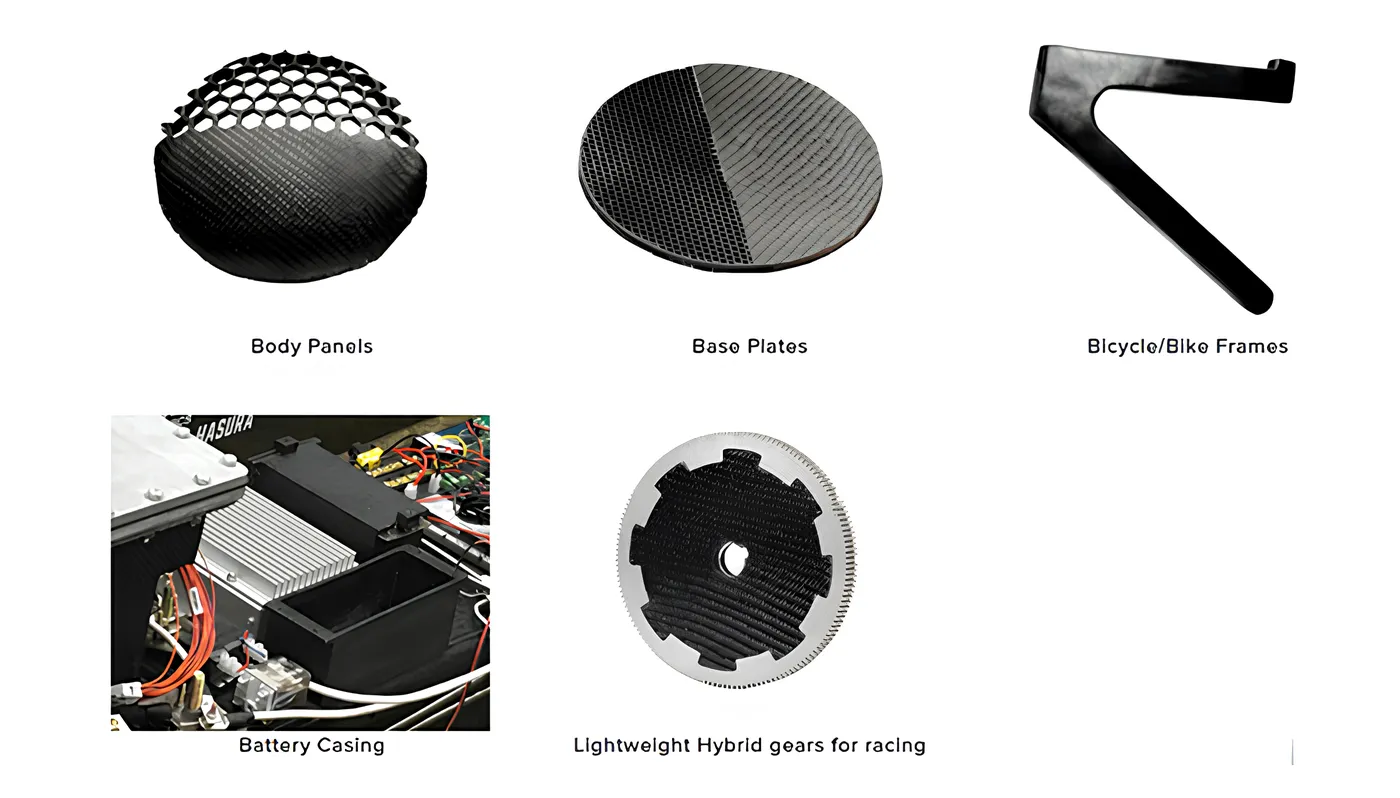
The range is wide: polymers, metals, ceramics, composites: but traditional processes still offer a wider material choice overall, largely because not every material can be temperature-controlled in the way printing demands.
That gap has narrowed considerably, though. Glass and precious metals were long held up as materials that could not be printed commercially, and that is no longer true. Nobula3D sells a commercial glass printer using Direct Glass Laser Deposition, working at around 2,000°C to print directly from a glass filament; Glassomer produces parts that are chemically and physically indistinguishable from fused silica via stereolithography; and Maple Glass Printing and Sygnis both ship machines. In precious metals, Cooksongold operates six EOS Precious M systems and opened a dedicated industrial division for precious-metal additive manufacturing in late 2025, after 3D printed platinum-rhodium components passed production trials.
Genuine gaps remain: there is still no practical printing route for some specialist alloys, and in aerospace you will find printed titanium secondary structures but not printed niobium. The point is that the list of “impossible” materials is shorter every year, and worth re-checking rather than assuming.
Material choice matters because it determines which printing process you can use, which brings us to the next question.
3. Which printer works best for your final product?
Different materials call for different printing techniques:
- FDM (Fused Deposition Modeling): nylon and plastics
- SLA (stereolithography): photosensitive resins
- SLS (selective laser sintering): polyamide, alumide, metals
- DED (directed energy deposition): metals
If you want to go deeper on how the processes differ, our comparison of FDM vs SLA covers the trade-offs in detail. Choosing the material and the printer sets the tone for your whole production cycle.
4. How do you plan and design before printing?
There are three basic steps: modelling, printing and finishing.
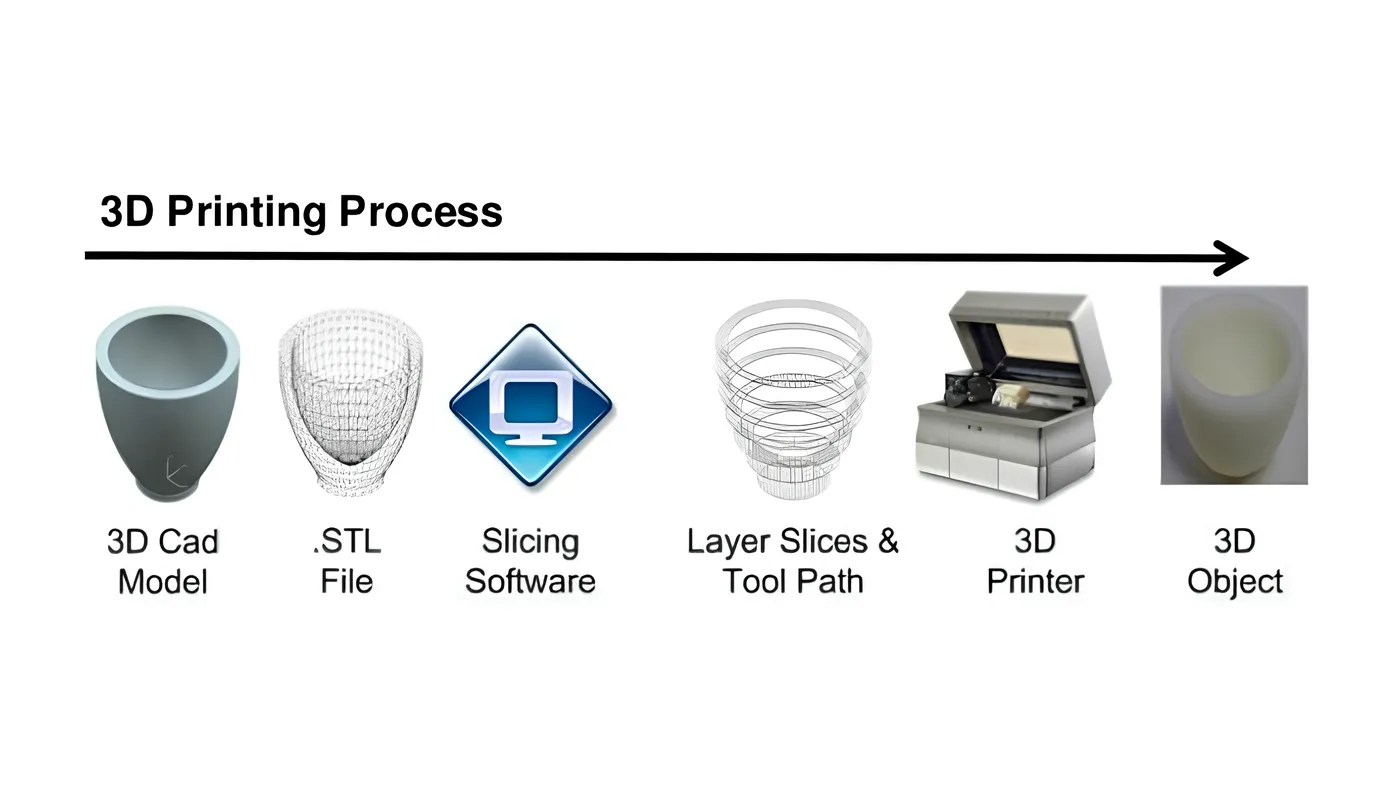
Modelling is where you design and plan the entire print. It is usually done in CAD software, which generates the 3D model fed to the printer. Common options include Tinkercad, Blender, BRL-CAD, DesignSpark Mechanical, FreeCAD, OpenSCAD, Wings3D, 3D Slash, SketchUp and Fusion 360.
After modelling, the file is saved as STL or AMF and checked for common errors (holes, gaps, alignment issues, self-intersections) to prevent defects in the print. The model is then sliced to produce the layer-by-layer geometry the printer actually uses.
Widely used slicers include Cura, PrusaSlicer (the actively maintained successor to Slic3r), Simplify3D, IdeaMaker, 3DPrinterOS, KISSlicer, Repetier-Host, OctoPrint, AstroPrint and IceSL. For continuous fiber printing specifically, a purpose-built slicer is needed, which is why we built C6.
It is also worth considering printer precision and accuracy. During planning, look at print speed, retraction distance, first layer height, infill settings and temperature. The advantage of 3D printing is that changes are easy to make as you go, and because the process is low cost, prototyping is a realistic option throughout.
After the print completes, most parts need post-processing to reach the required finish.
5. Do you need to prototype?
Not long ago, 3D printers were associated almost solely with prototyping, still their largest functional domain. As printing became cost-effective, rapid prototyping became standard practice.
Medical industries rely heavily on prototypes day to day, and modern printers make functional, working prototypes possible, helping engineers find shortcomings early, when they are cheap to fix. Printed prototypes are now much closer to the final product than they once were.
Reasons to prototype:
- Multiple iterations: flexible design changes at any stage of production
- Time and cost savings: low-cost materials like plastics, with shorter printing time than a traditional setup
- Effective testing on functional prototypes improves the final product
- The touch and feel of a product is far easier to judge in the hand than on screen
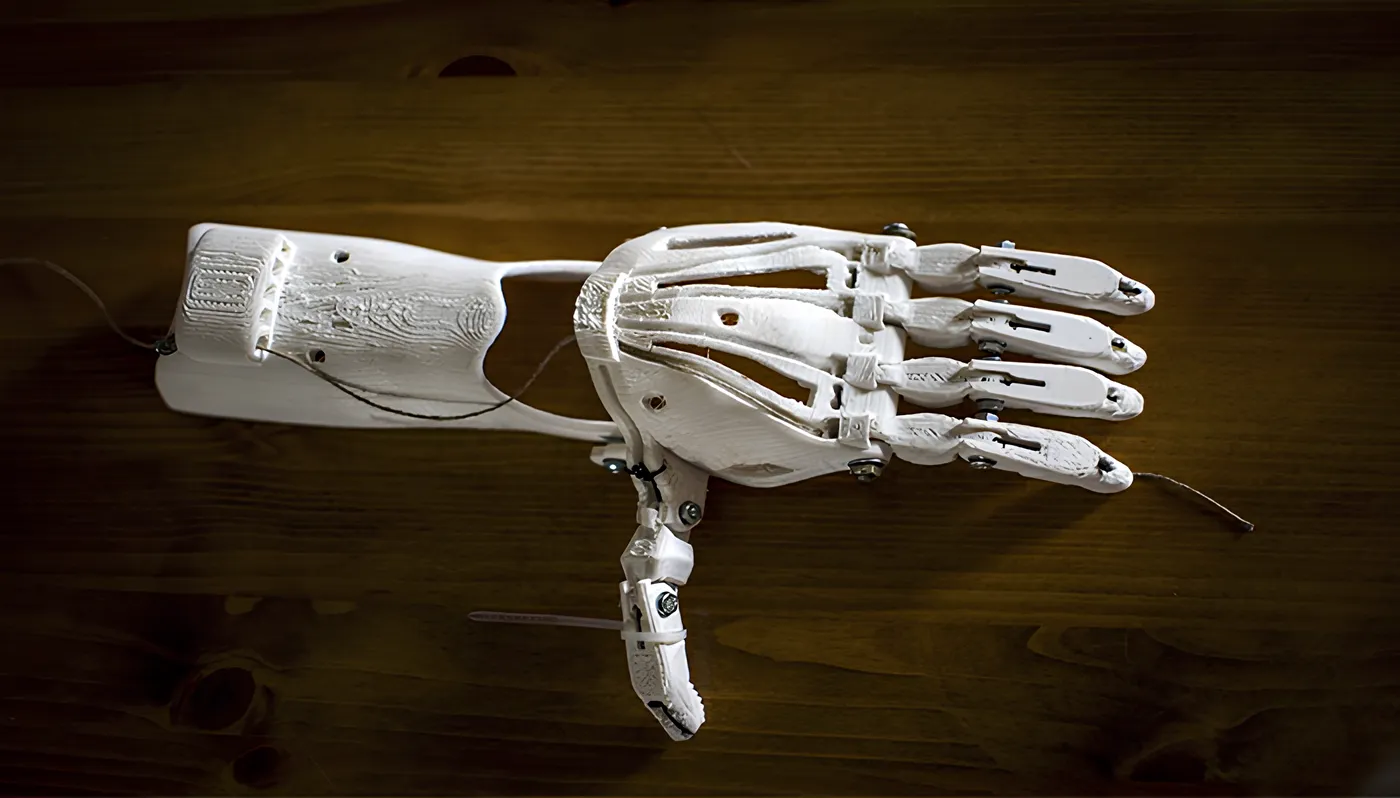
There is a caveat worth taking seriously. Printed prototypes may not offer the strength needed for meaningful testing, and the material may fail to mimic the properties of the final part, so the right material selection matters enormously. Where the production part will be carbon fiber composite, a plastic prototype tells you about fit and form but nothing about how the real part behaves under load.
Conclusion
Traditional processes still hold their ground in certain niches, but 3D printing is growing across most fields given the advantages it offers.
The shift from traditional to digital processes looks inevitable. Medical research is leaning on bioprinting; automotive and aerospace companies are using printers to build lighter, lower-cost, higher-performance parts. For companies to keep pace with a changing market, 3D printing has a place in the manufacturing process, and it is more practical and viable now than at any point before.
Fabheads, as a manufacturing automation company, continues to align with the latest advances in the field. We aim to take manufacturing further with our indigenously developed continuous fiber 3D printer, and we serve customers across aerospace, mobility, marine and robotics through end-to-end composite manufacturing.
Working out whether 3D printing fits your production line? Talk to our team.
Frequently Asked Questions
What are the advantages of 3D printing in manufacturing?
Speed, because no moulds or fixtures are needed and changes can be made immediately; flexibility in design and material; consistency, since the process is automated; accessibility, as printer costs have fallen sharply; and lower waste, because the machine deposits only what the part needs.
What materials can be 3D printed?
Plastics remain the most common, alongside metals and alloys, ceramics, and composites including carbon fiber. Glass and precious metals, long considered impractical, are now commercially printable through companies such as Nobula3D, Glassomer and Cooksongold.
Which 3D printing process should I use?
It depends on the material. FDM suits nylon and plastics, SLA suits photosensitive resins, SLS handles polyamide, alumide and metals, and directed energy deposition is used for metals. Continuous fiber composites need a process built for them.
Is 3D printing cheaper than injection moulding?
Not for high volumes of identical parts: injection moulding wins there, because tooling cost is spread across thousands of units. 3D printing wins on low volumes, customised parts and anything needing rapid design iteration, because there is no tooling to pay for at all.