Robotics 3D Printing: How 3D Printed Robots Are Made
Sep 24, 2026

3D printing and robotics are closely related. The principles of robotics are the foundation of every 3D printing machine, and as the technology has matured, 3D printing has begun to give back by helping build the robots themselves.
That is what robotics 3D printing means in practice: using additive manufacturing to produce a robot's structural and mechanical parts (arms, joints, grippers, housings and frames) rather than machining or moulding them.
Is a 3D printer a robot?
Essentially, yes. A 3D printer follows programmed instructions to move a tool head along precise paths and build an object layer by layer, with no human hand guiding it, embodying the same automated, coordinated motion that defines any industrial robot.
So the relationship now runs in both directions: printers built on robotic principles, turning out the components that robots themselves are built from.
“Robots and other combinations will make the world pretty fantastic compared with today.”
- Bill Gates
A short history of robots and 3D printing
We use robots for tasks that are impossible, dangerous, expensive or monotonous for humans, such as inspecting radioactive sites, defusing explosives, or working at extreme temperatures or pressures.
Descriptions of robotic machines and automata have been around for at least a couple of thousand years. Over 100 descriptions of fire engines, a coin-operating machine, a wind organ, etc. featured in Heron of Alexandria’s Pneumatica and Automata.
Fast forward about 1500 years, and Leonardo da Vinci was playing around with a mechanical monk that displayed lifelike movements of feet, eyes, lips, and head. This was the first recorded physical manifestation of a robot resembling a human being.
The industrial revolution in the last couple of centuries and the digital revolution much more recently, has catalyzed the advancements in this field. From Nikola Tesla’s radio-controlled vessels in 1898 to self-navigating Autonomous Indoor Vehicles (AIVs) at Tesla’s Gigafactory in Nevada, it has been quite a journey.
3D printing is the newer of the two. In roughly two decades it has moved from research labs into global industry, spanning toys to aerospace. Where it once handled a couple of plastics, it now works with a wide range of polymers, metals and composite materials including carbon fiber. You can read more about where the technology stands in our article on the present and future of 3D printing.

Why 3D printing suits robot manufacturing
Additive manufacturing brings six things to robotics:
- Prototyping
- Tooling
- Fabrication
- Low-cost production
- Short time-to-market
- Reduced waste
Robots are built differently
Robots are not mass-market products. Their design and functionality are usually customised to a specific requirement, which makes rapid, tooling-free manufacturing far more valuable here than in most industries. Because prototypes are quick to create and test, there is more room to experiment.
“Because different robots have different operational requirements, 3D printing’s ability to create custom parts uniquely suited for the task, and the ability to print in materials that will hold up, has been big,”
- Cullen Hilkene (CEO of 3Diligent)
Quick prototyping and design versatility
Design engineers can print the tools and fixtures needed to assemble a robot, and produce parts without making moulds at all. Complex and unusual geometries are straightforward with modern additive techniques, and printers now handle a far wider range of materials than they once did. This is rapid prototyping in its most useful form.
Low production volumes
Many robot types exist in very small numbers worldwide: nobody sets up a production line for a hundred units a year. 3D printing enables on-demand manufacturing without the capital cost of a plant or assembly line.
Types of robots being 3D printed
1. Pre-programmed robots
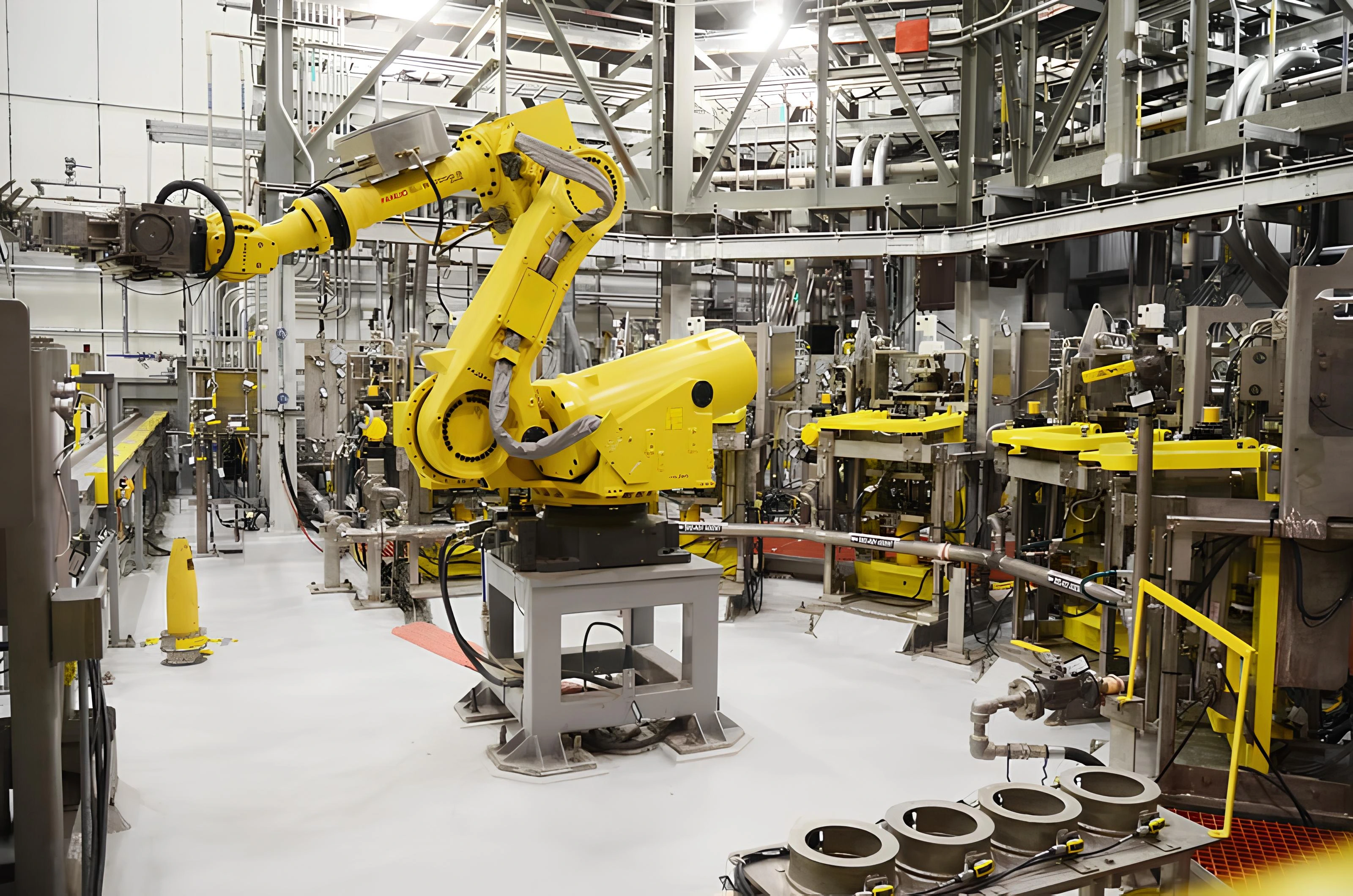
These operate in controlled environments and repeat a single purpose, such as a welding arm in an automotive plant. A robotic arm can itself be made using 3D printing, and can also be used to perform 3D printing, printing from angles and geometries a fixed-gantry machine cannot reach.
Bastian Solutions, a Toyota Advanced Logistics company, recently debuted a robotic materials handler with unparalleled efficiency and flexibility made possible with parts designed and built through additive manufacturing.
2. Autonomous robots
These are programmed for the range of situations they may meet, and deployed where human intervention is impractical.
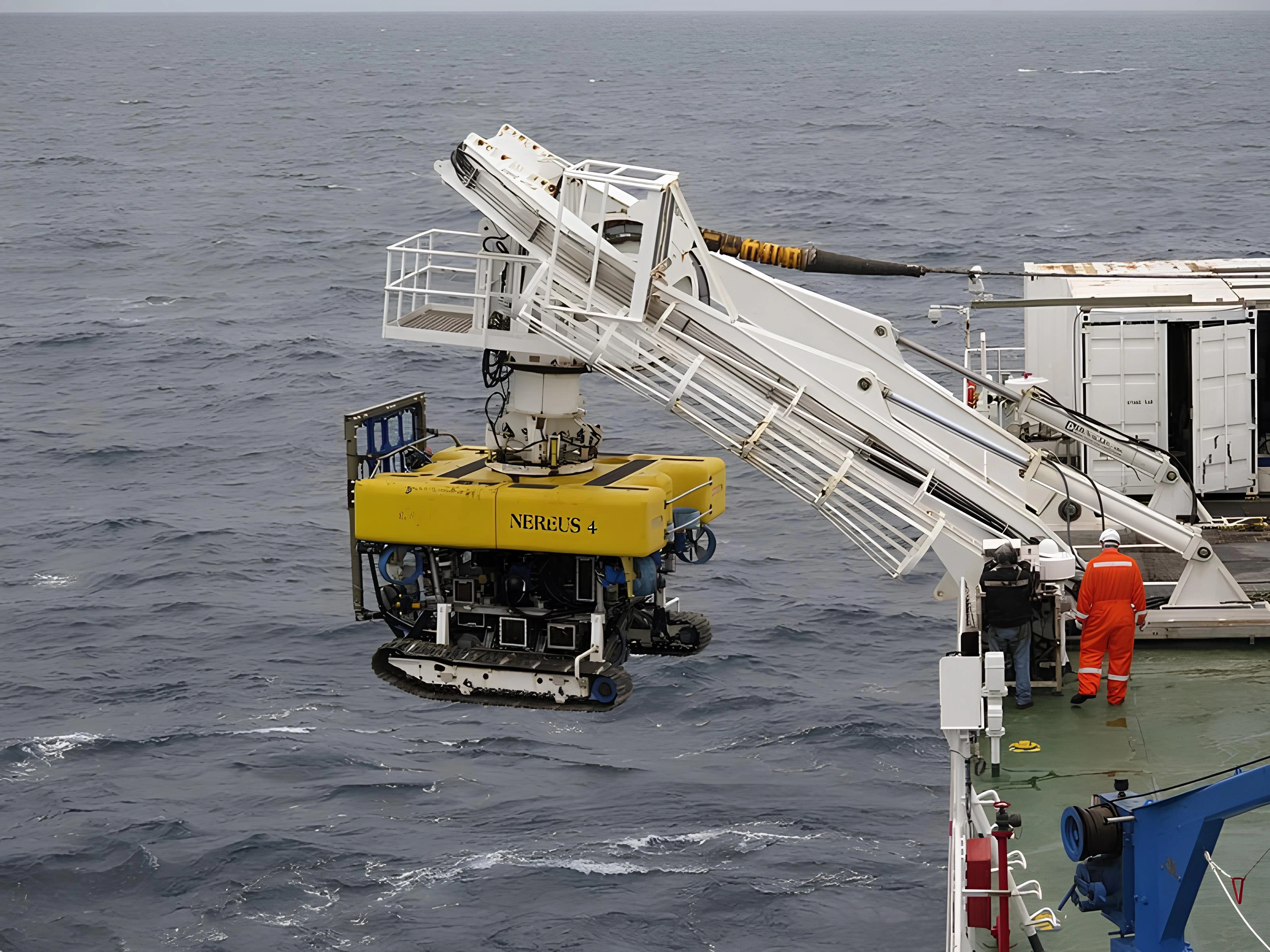
Underwater robots
Deep-water exploration, seafloor mapping, hull inspection and cleaning, underwater welding and structural inspection all depend on them. A printed robot can be designed around a specific ecology or task: a gripper for a particular welding torch can be produced in days rather than weeks. Material choice matters here too, since seawater, deep water and acidic or alkaline conditions each demand something different.
“We still know more details about the surface of Mars than the seafloor.”
- Starre Vartan (Environmental journalist)
Solar panel cleaning robots
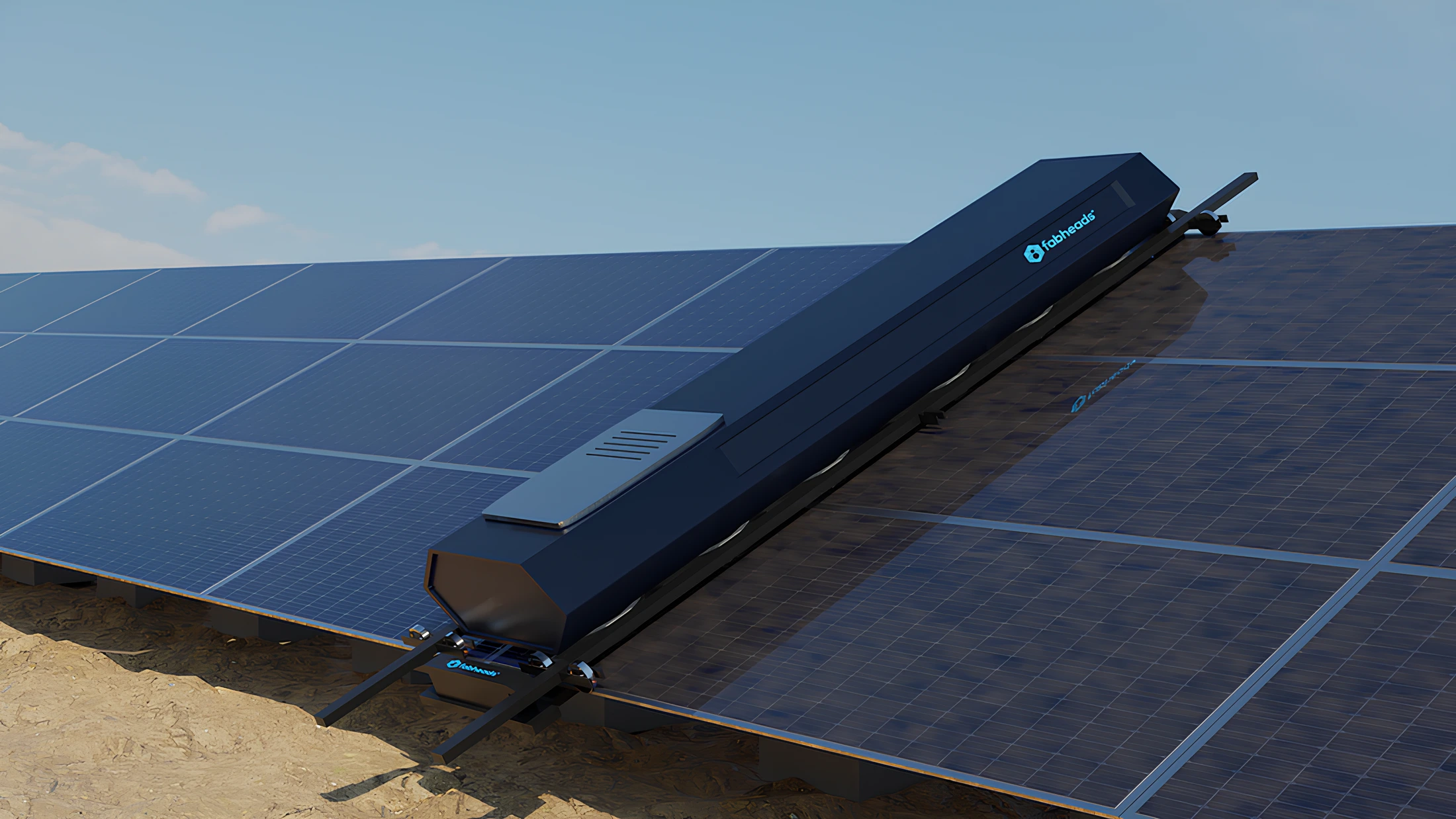
Panels are exposed to constant dust, and manual cleaning is slow and water-intensive. Robots make the process cost-effective, and because they work outdoors on a schedule, they are upgraded often, which is exactly where printing new sensor mounts and brackets in days rather than months pays off.
Warehouse robots
Robots now transport, manage and streamline entire warehousing operations across electronics, automotive, e-commerce, food and beverage, metal machinery, chemicals and textiles. They work long hours, so wear is constant, so printing a replacement part beats holding a heavy spares inventory.
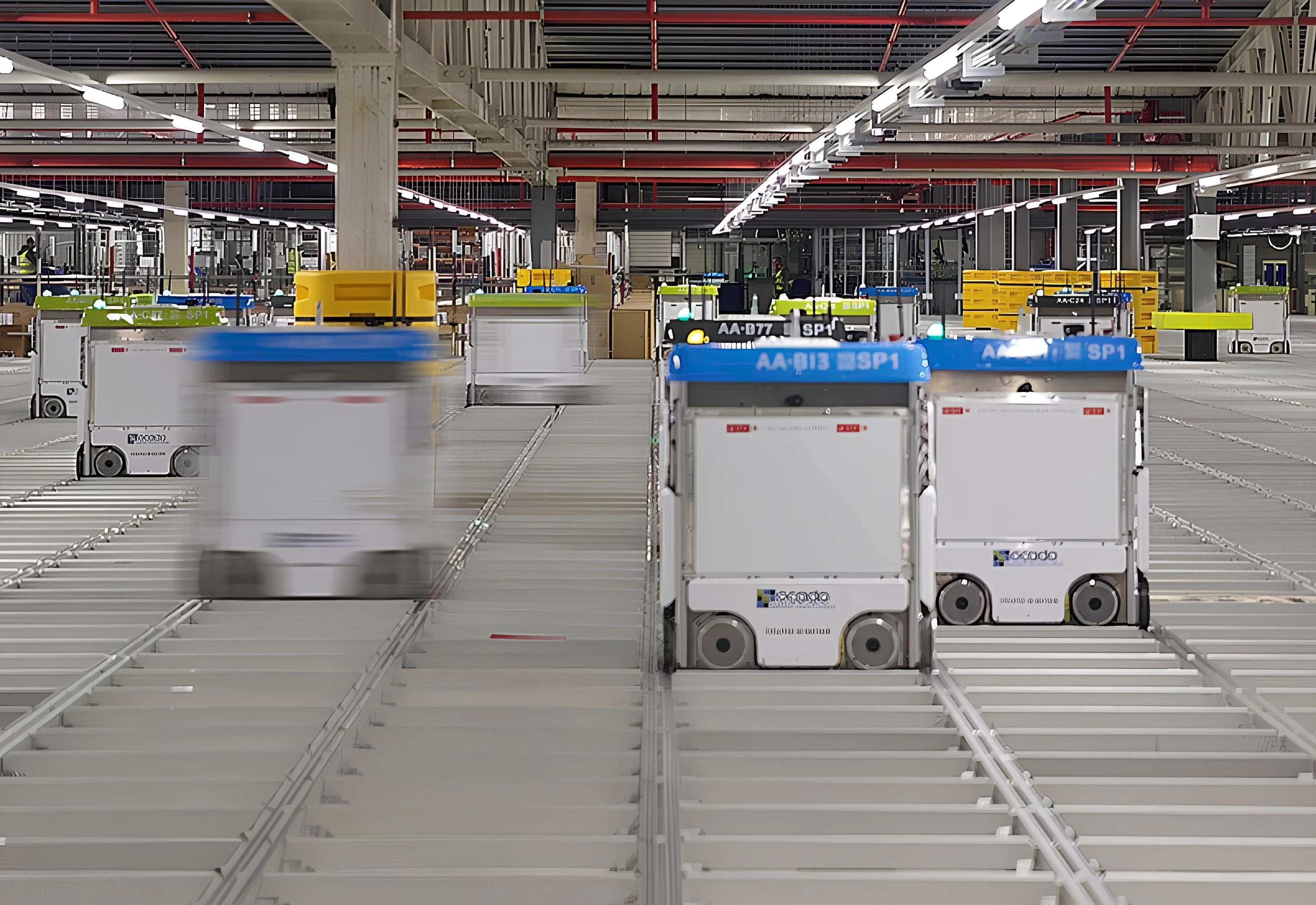
“The additive manufacturing process will enable us to customize each robot picker to fit a customer’s particular warehouse environment.”
- VP of Technology and R&D, Bastian Solutions
3. Humanoid robots
Humanoids are built to resemble people in appearance and function. Complex joints and parts can be printed directly, giving engineers design freedom, such as modelling the ball-joint movement of a human body and changing it quickly. Printed humanoid parts are lighter and cheaper than traditional equivalents, and the very low production numbers make conventional processes hard to justify financially.
When we talk about humanoids, we can hardly ignore Boston Dynamics, a robotics company in Massachusetts, USA. Some of its fascinating creations are BigDog (2004), Rhex (2007), LS3 (2010), Wildcat (2011), Sandflea (2012), Atlas (2013), Spot (2015), and Handle (2017). Boston Dynamics has leveraged 3D printing a lot to make their robots what they are today.
“One thing we did was use 3D printing to create the legs (in ATLAS), so the actuators and hydraulic lines are embedded in the structure, rather than made out of separate components. We also developed custom servo-valves that are significantly smaller and lighter (and work better) than the aerospace versions we had been using.”
- Marc Raibert, Founder, Boston Dynamics
4. Augmenting robots
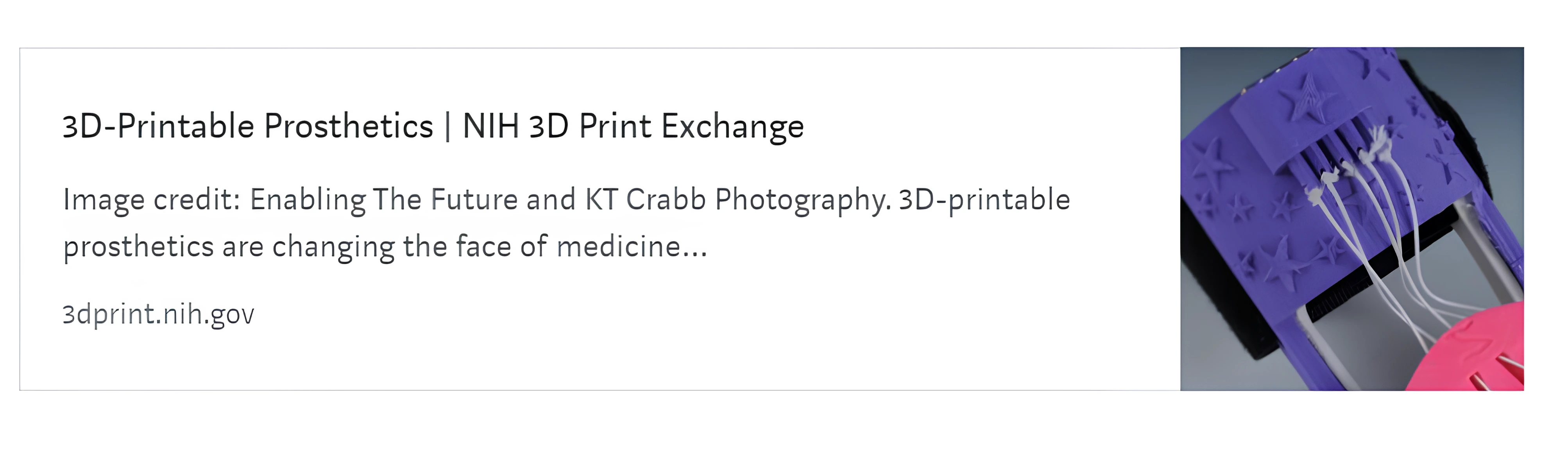
These enhance or replace a human capability, most visibly prosthetics. Printing is uniquely suited here because a prosthetic must fit one particular body: a knee or leg assist device can be printed to the exact height, limb shape and girth of its user. Printed components are also lighter, which matters when the device is worn all day.
“The development of 3D print technology, in some ways, has reduced the cost and complexity of making dexterity robotic hand.”
- Slade et al., 2015
5. 3D printed soft robots
Soft robotics builds machines from materials that behave like living tissue, using memory coils and actuators that mimic tendons and muscles. Several printing techniques are common here:
- Stereolithography (SLA)
- Photo-curable inkjet printing
- Selective laser sintering (SLS)
- Direct ink writing (DIW)
- Shape deposition modelling
Printing captures the intricate detail soft robots need, across materials from soft polymers to elastomers, and can now produce complex structures using viscoelastic hydrogels strong enough to withstand pressures from kilopascals to megapascals. If you are weighing up which process suits a given part, our comparison of FDM and SLA covers the trade-offs.
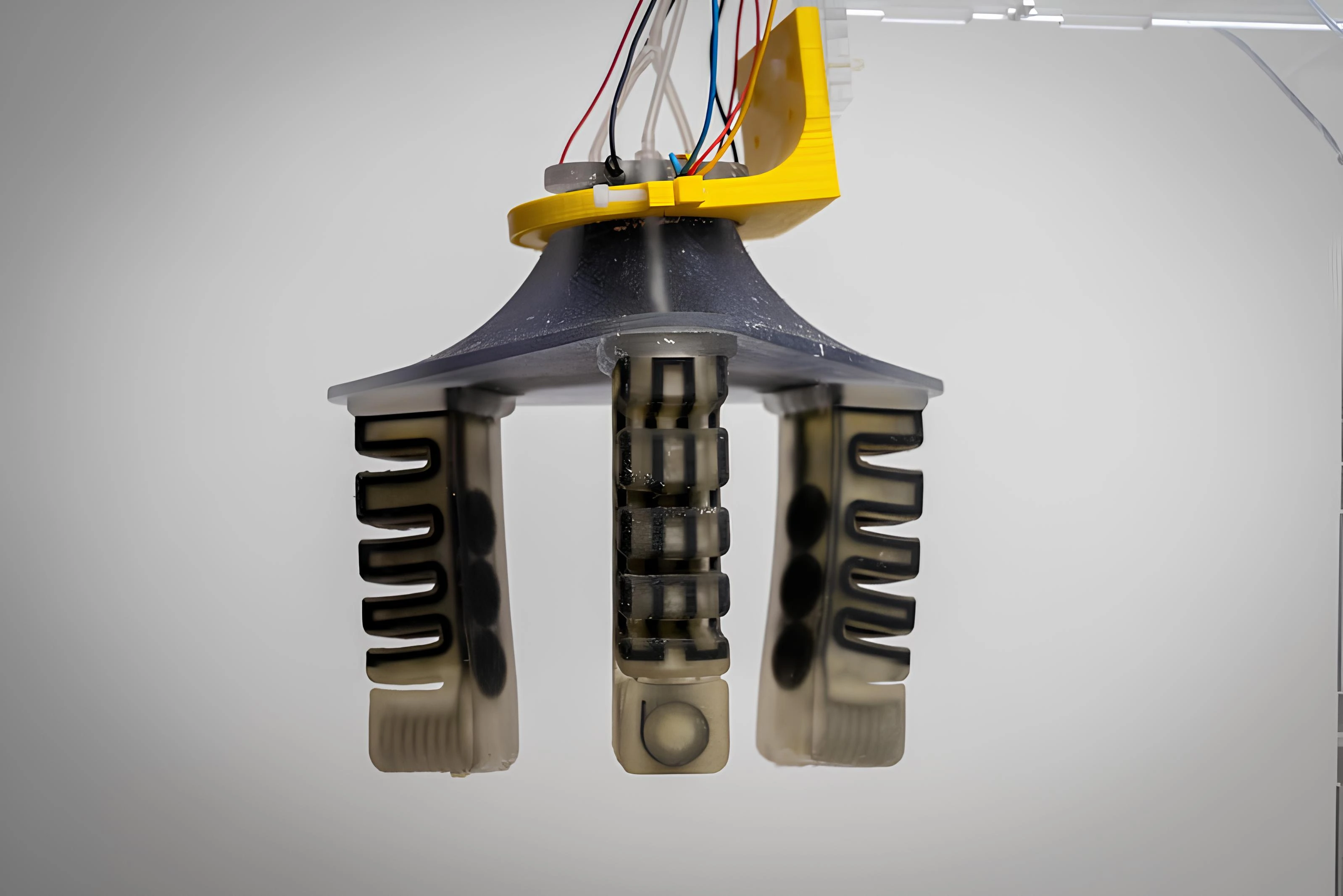
For example, a team of researchers from the Delft University of Technology made cast silicones in a 3D printed shell. They named this technique UltiCast. Actuators or muscle-like parts can now be made out of UltiCast that are easy to replicate, saving time and cutting costs.
Which robot parts can be 3D printed?
Almost any non-electronic structural or mechanical part of a robot can be printed:
- Arm links and joints
- Grippers and end effectors
- Housings, covers and enclosures
- Wheels, tracks and mounts
- Structural frames and chassis
The limiting factor is rarely the printer: it is the material. Standard plastics are fine for prototypes and light-duty parts, but structural and high-performance components need something considerably stronger.
Why weight matters in robotics
Every gram a robot carries costs energy and speed. A lighter arm accelerates harder, moves faster, carries a bigger payload and can run on smaller, cheaper motors. Weight is one of the tightest constraints in robotics design, and it compounds: a heavier arm needs a heavier base, stronger actuators and more power.
Carbon fiber composites address this better than almost any alternative, offering stiffness and strength comparable to metal at a fraction of the weight. A carbon fiber robot arm can be dramatically lighter than an aluminium one without losing rigidity. For any robot where speed, precision or payload matters, moving structural parts from metal or plastic to carbon fiber is among the most effective upgrades available.
Continuous carbon fiber 3D printing for robot parts
Conventional 3D printing uses plastic, which caps how strong a printed part can be, which is why printed robot components have historically stayed in the prototype stage. Continuous carbon fiber 3D printing removes that ceiling. Continuous strands of carbon fiber are laid inside the part as it is printed, giving it the strength and stiffness of an engineering-grade component while keeping the light weight and design freedom of additive manufacturing.
This is the technology we build at Fabheads. Our fabmachines range includes the F-Series, India's first indigenous continuous fiber 3D printer, and we use it to manufacture carbon fiber parts for robotics, including arm links, structural frames and custom components that are strong enough for production use yet light enough to make robots meaningfully faster. That work is backed by our own design and production services and manufacturing infrastructure.
Building a robot where weight is limiting what it can do? Talk to our team about your requirement.
Frequently asked questions
What is robotics 3D printing?
Robotics 3D printing is the use of additive manufacturing to produce a robot's structural and mechanical parts, such as arms, joints, grippers, housings and frames. It suits robotics because robots are built in small numbers, customised heavily, and constrained tightly by weight.
Can a robot be 3D printed?
Yes. Structural and mechanical parts are commonly 3D printed (arms, joints, grippers, housings and frames). Electronics such as motors, flight controllers and sensors are not printed and are fitted conventionally.
Is a 3D printer a robot?
Yes. A 3D printer follows programmed instructions to move a tool head automatically along precise paths and build an object layer by layer, without human guidance. The principles of robotics underpin every 3D printing machine.
What is the best material for 3D printed robot parts?
Standard plastics suit prototypes and light-duty parts. For structural, high-speed or load-bearing components, continuous carbon fiber gives far greater stiffness and strength at a much lower weight than metal.
Why is carbon fiber used in robot arms?
Because weight compounds in robotics: a heavier arm needs a heavier base, stronger actuators and more power. Carbon fiber offers metal-like stiffness at a fraction of the weight, so the arm accelerates faster and carries more.